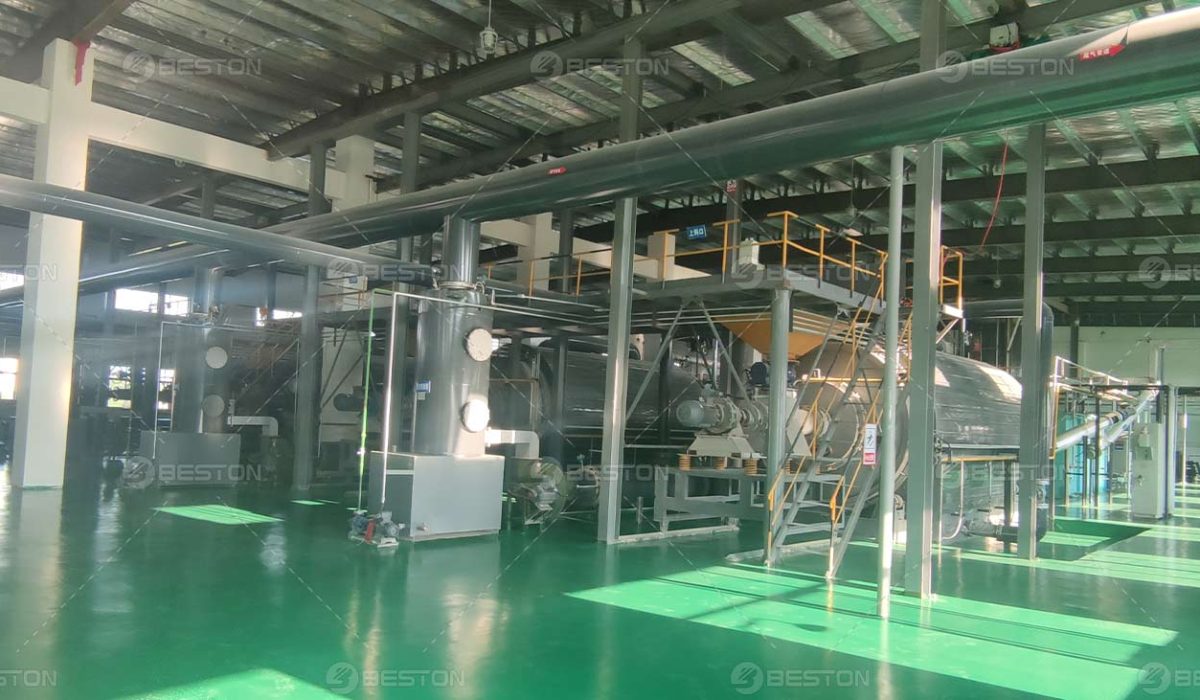
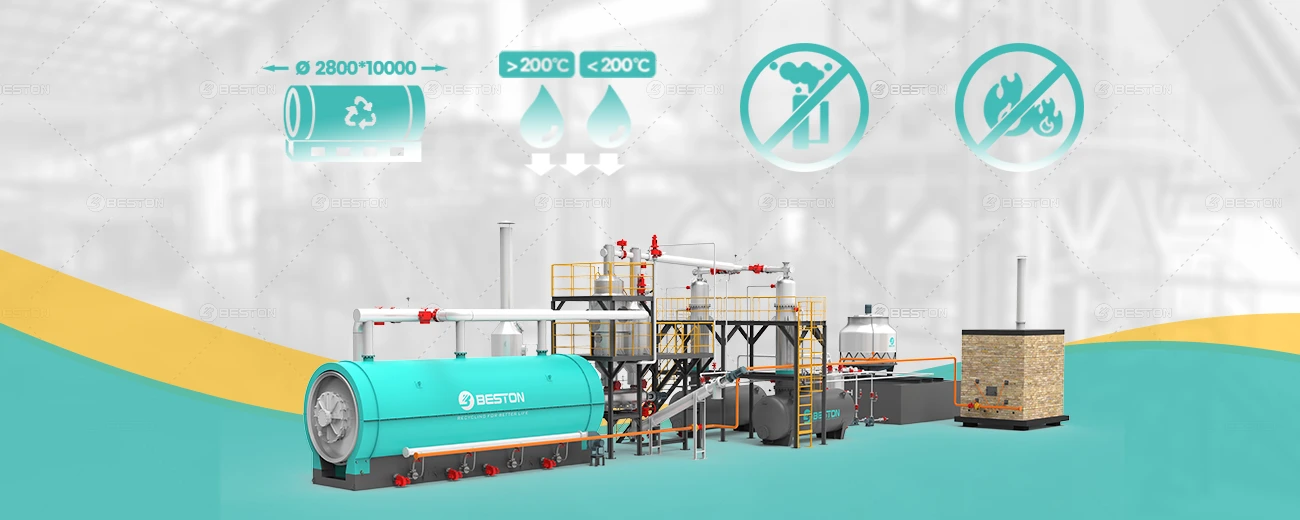
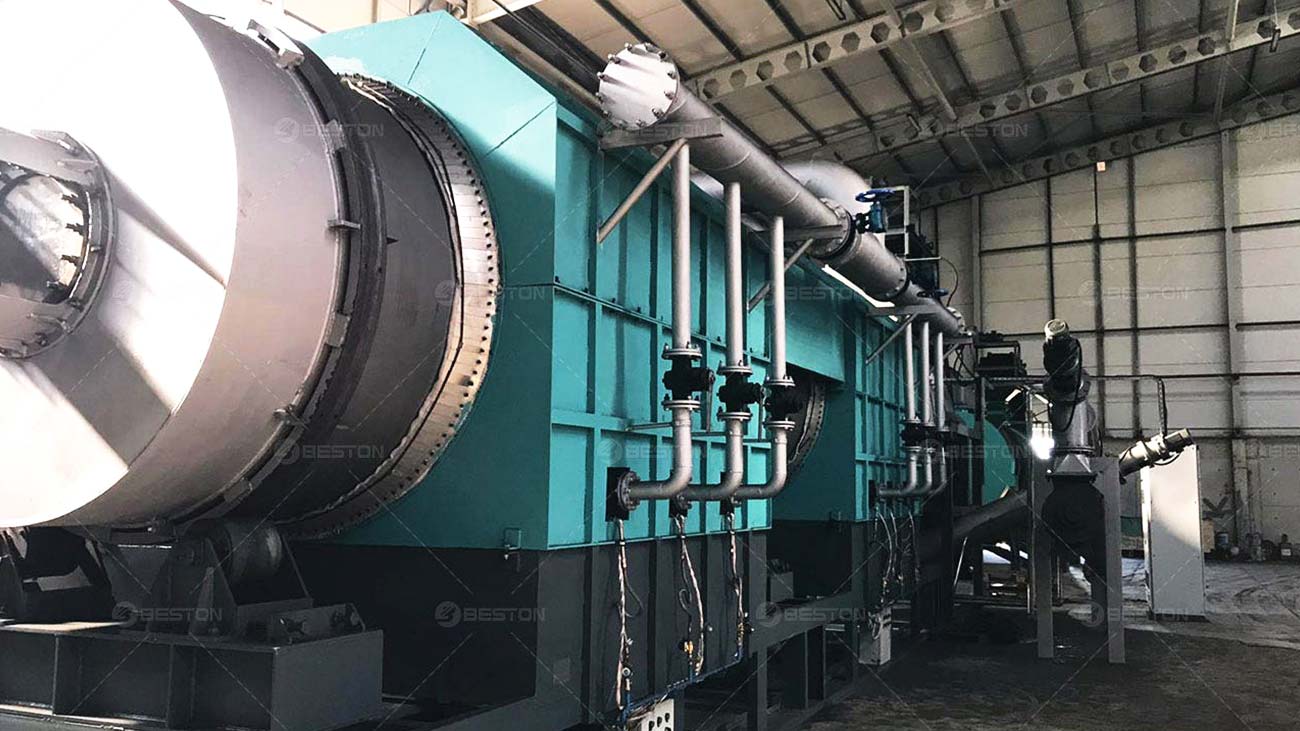
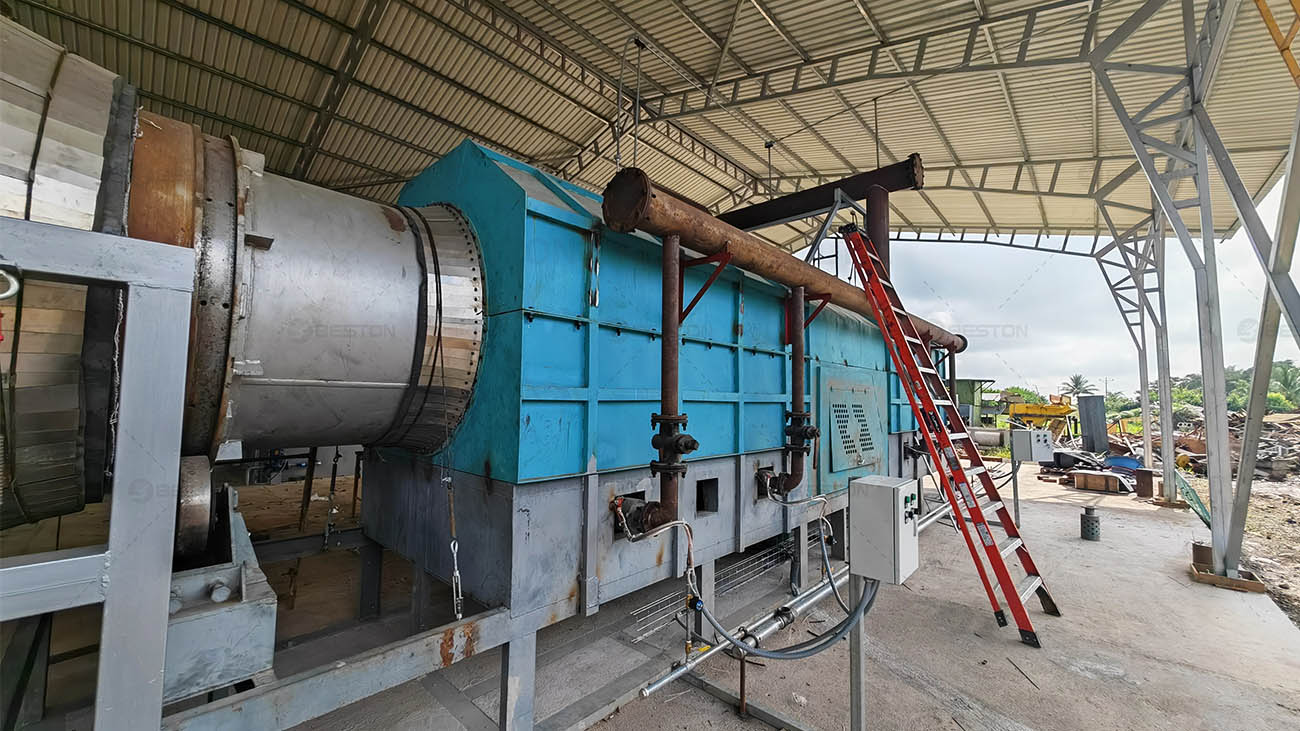
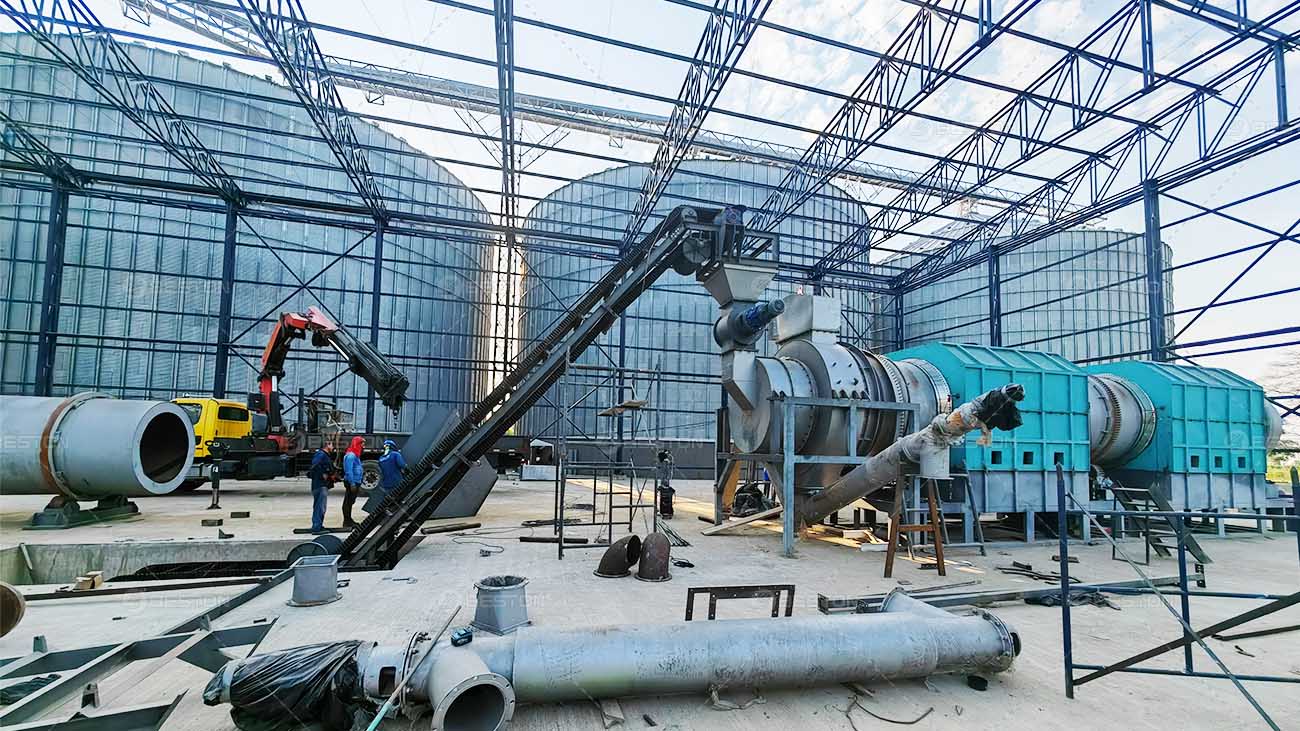
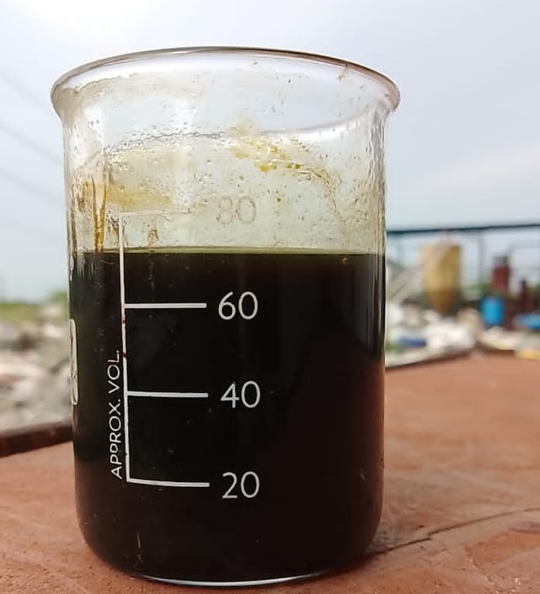
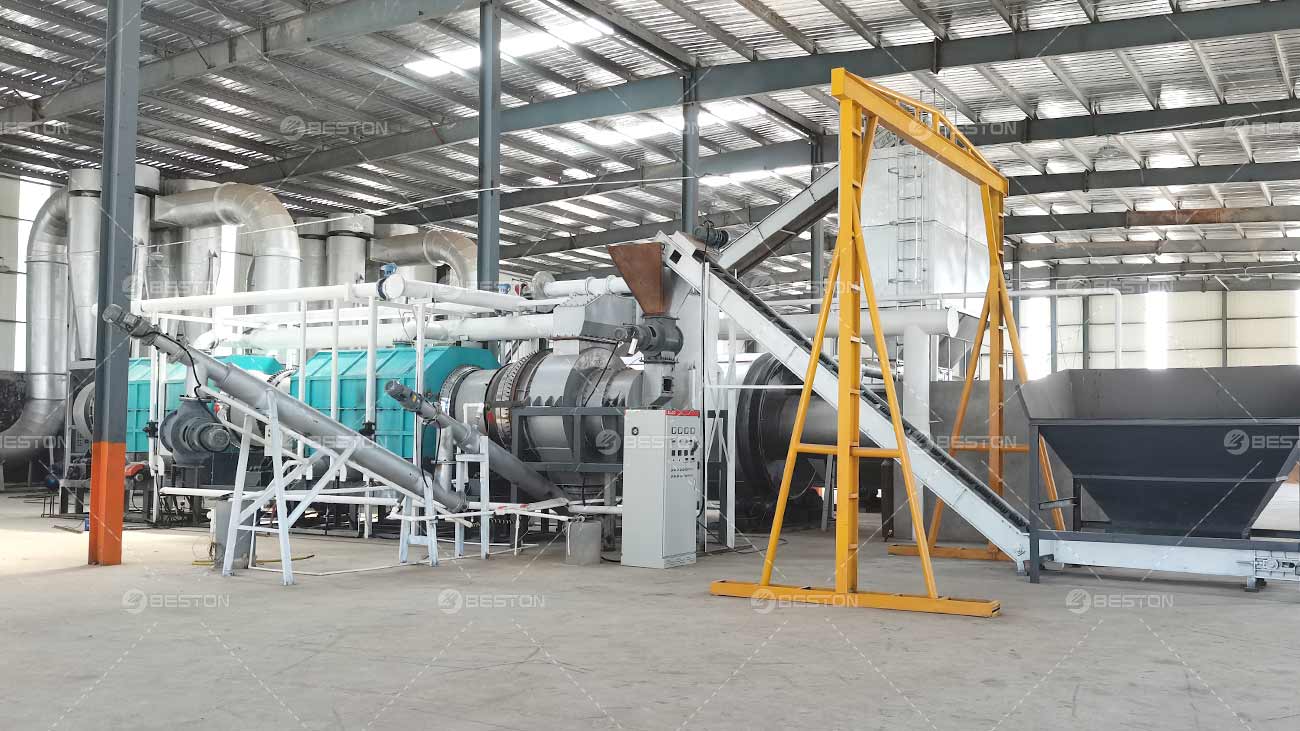
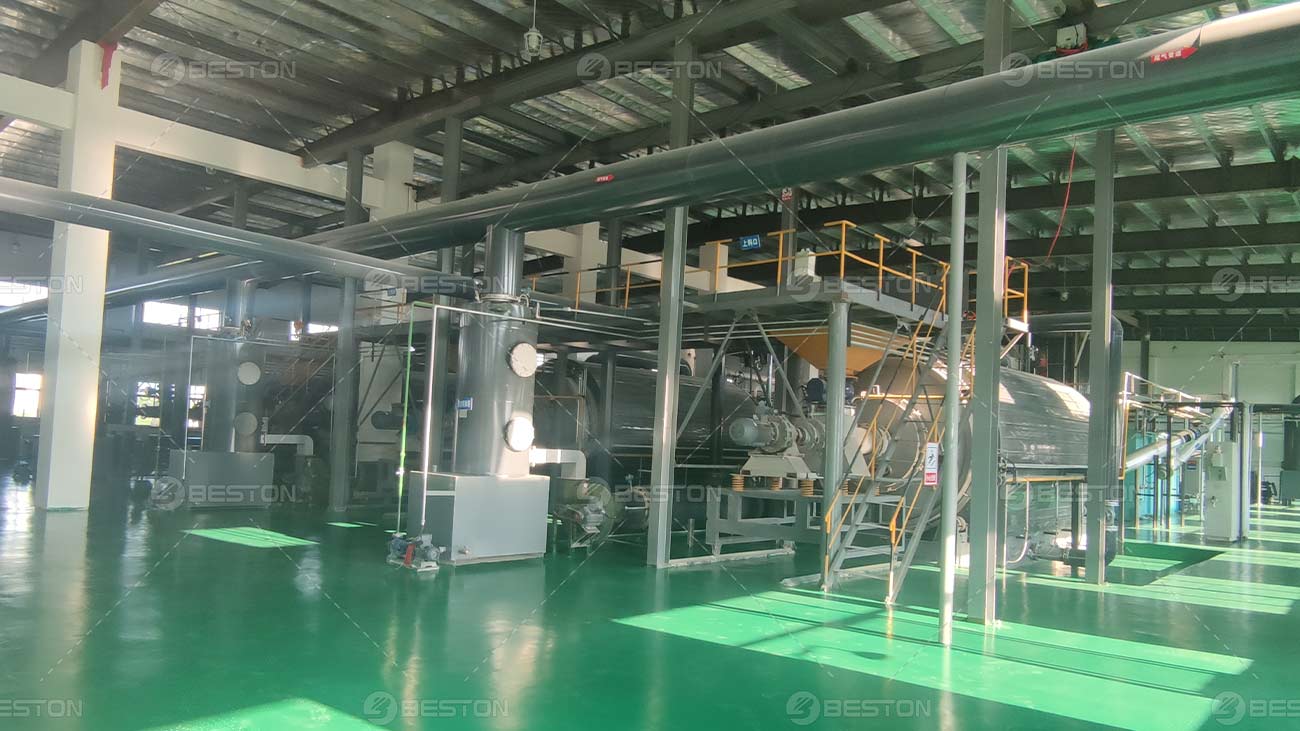
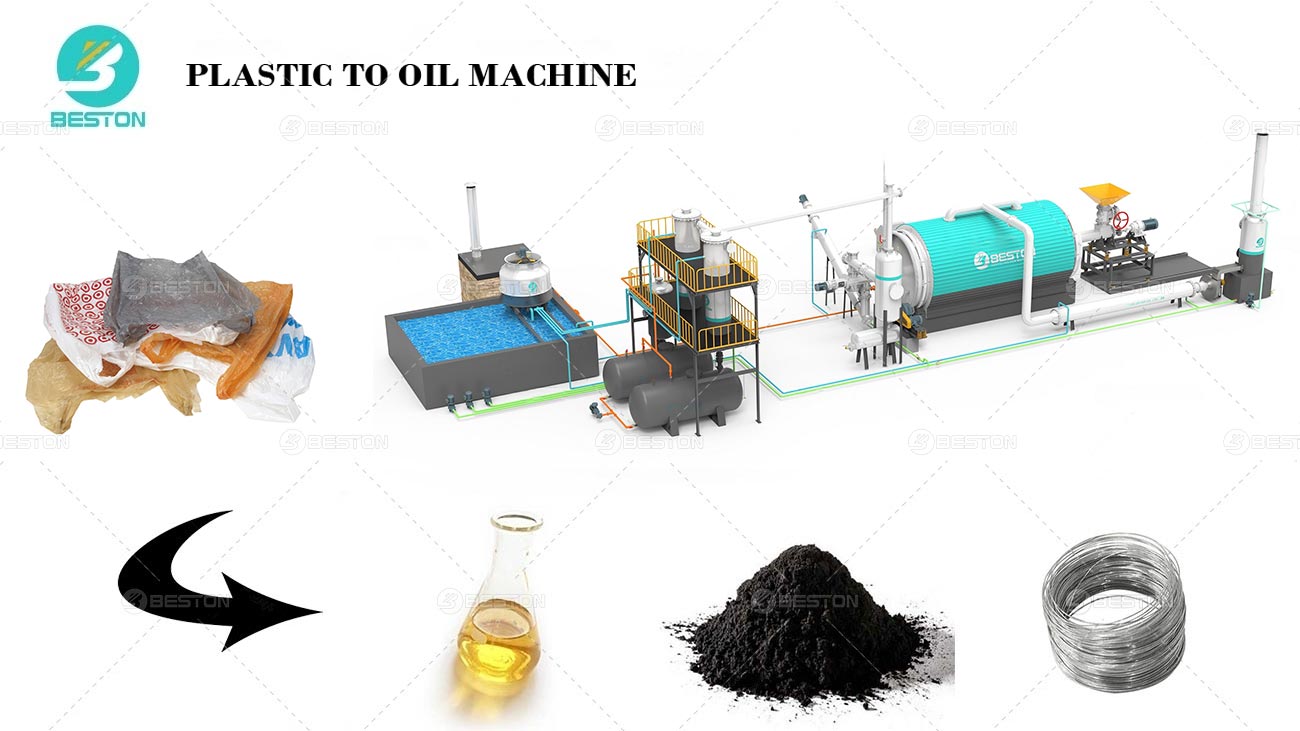
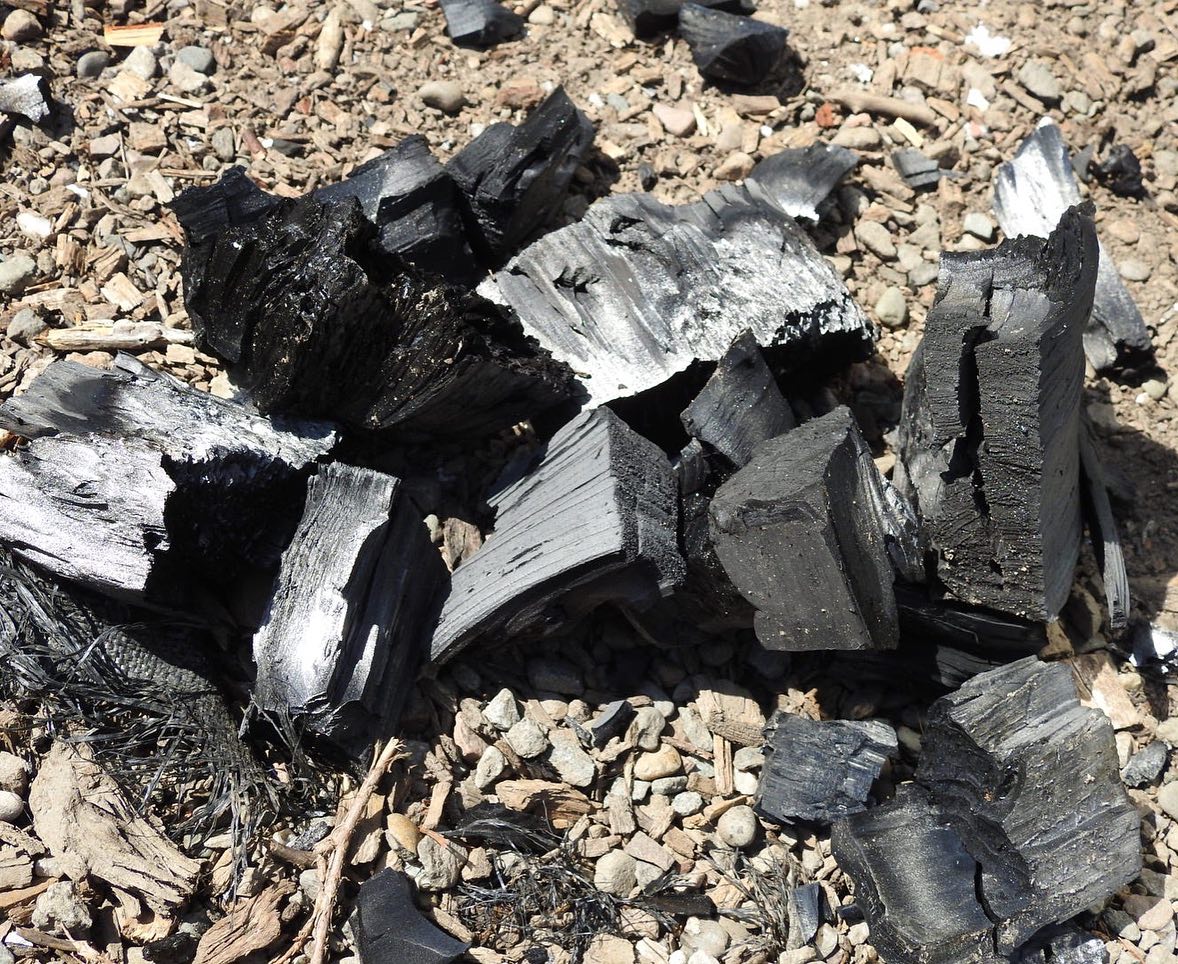
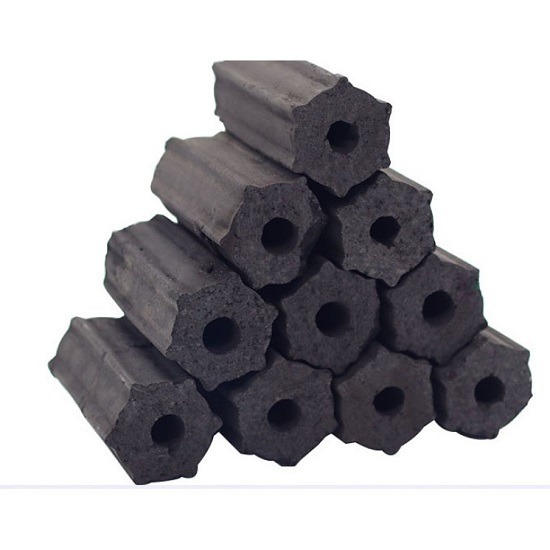
A pyrolysis plant represents a significant breakthrough in the renewable energy sector, transforming discarded materials into valuable energy sources. By utilizing advanced thermal decomposition mechanisms, the system enables a cleaner, more sustainable method for converting waste into usable fuels while reducing environmental burdens.
Advancing Renewable Resource Recovery
Modern energy infrastructure increasingly depends on systems capable of handling heterogeneous waste streams. A pyrolysis unit converts biomass, plastics, and end-of-life tires into energy-rich outputs such as pyrolysis oil, syngas, and solid carbon residue. Through oxygen-free thermal cracking, long-chain polymers are decomposed into viable energy products without combustion. This allows minimal emissions and stronger alignment with carbon neutrality objectives.
Plastic Waste to Energy Conversion
Escalating volumes of plastic waste have led to growing adoption of plastic to oil machine technology. Using controlled pyrolysis, waste polymers are transformed into liquid fuel, which can be refined further for industrial or transportation use. This not only decreases dependence on conventional fossil fuels but also mitigates landfill accumulation. The process also supports extended resource utilization, enabling a circular economy model through energy valorization.
Application in Tyre Recycling and Carbon Capture
End-of-life rubber becomes a potent feedstock when processed in a fully continuous tyre pyrolysis plant. The system ensures uninterrupted operation, high automation, and optimized heat recovery efficiency. Resultant pyrolysis oil and carbon black have commercial applications in fuel production and manufacturing sectors. Meanwhile, recovered steel wire becomes an additional byproduct, contributing to the full valorization of waste tyres.
Environmental Compliance and Emission Reduction
Thermal desorption equipment incorporated in advanced pyrolysis systems enables efficient treatment of contaminated solids such as oil sludge, drilling waste, and industrial residues. Instead of conventional incineration or landfilling, thermal desorption removes hydrocarbons through vaporization, minimizing soil pollution. The recovered oil can then be reprocessed as an energy source, reinforcing ecological responsibility while offering economic gain.
Sustainable Energy Pathways
Pyrolytic processes outperform traditional waste disposal methods by generating renewable energy with reduced emissions. Syngas from pyrolysis can be used to power the reactor itself, achieving partial or full energy self-sufficiency. This energy-efficient mechanism lowers operational costs and elevates sustainability metrics, strengthening the role of pyrolysis technology in modern energy systems.
Economic and Strategic Value
The growing demand for decentralized energy production makes pyrolysis plants a viable strategic investment. They enhance regional energy security, encourage local resource utilization, and support low-carbon development initiatives. By integrating smart monitoring and modular design, pyrolysis systems can be scaled for industrial, municipal, or regional applications, offering both environmental and commercial value.
Pyrolysis strengthens the transition to renewable energy by transforming waste into fuel, capturing carbon-based resources, and promoting sustainable industrial development.
In today’s world, sustainable solutions for waste management and carbon reduction are more crucial than ever. Among these innovations, biochar production has emerged as an effective way to transform agricultural waste into valuable resources. Whether you’re looking to repurpose rice husks, straw, or other organic materials, Beston Group offers advanced pyrolysis solutions that can help you unlock the potential of biochar and charcoal production.
Biochar from Rice Husks: A Sustainable Path Forward
Rice is a staple crop in many parts of the world, but what happens to the massive amount of rice husks left behind? Instead of being discarded, these husks can be transformed into valuable biochar. Beston Group’s rice husk charcoal machine offers an efficient way to convert this waste into a useful product.
Rice husk biochar is especially beneficial for agriculture. It improves soil structure, enhances water retention, and increases crop yields by providing a stable form of carbon that remains in the soil for years. Additionally, this process reduces the need for chemical fertilizers, promoting sustainable farming practices. The ability to recycle rice husks into biochar provides farmers with a sustainable waste disposal method while offering the opportunity to boost soil fertility naturally.
Straw to Charcoal: A Smart Solution for Excess Agricultural Residue
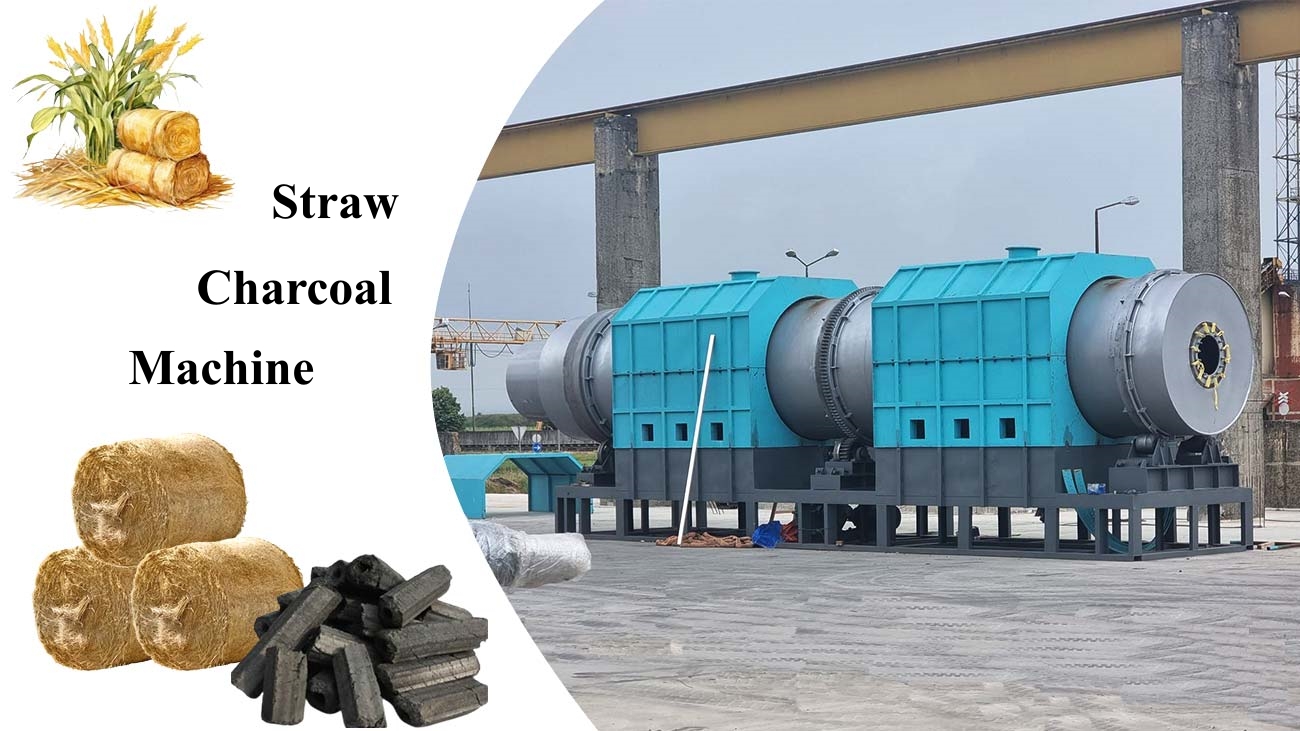
Straw, another abundant agricultural residue, often poses a challenge for disposal. In many regions, straw is burned in open fields, contributing to air pollution and wasting valuable organic matter. However, Beston Group’s straw charcoal making machine can change this narrative, turning what was once waste into a renewable resource.
Straw-based biochar has a range of benefits:
Soil Amendment: Like rice husk biochar, straw-derived biochar improves soil quality, helping retain moisture and nutrients, which boosts crop growth.
Carbon Sequestration: By converting straw into biochar, carbon is locked in a stable form, contributing to efforts to reduce greenhouse gas emissions.
Energy Production: The process also produces syngas, which can be used as an alternative energy source for various applications.
By utilizing this technology, farmers can not only reduce their environmental footprint but also generate new revenue streams through the sale of biochar or use it to improve their land’s productivity.
The Power of Pyrolysis in Biochar Production
At the core of Beston Group’s innovative solutions is pyrolysis technology, which involves heating organic materials in the absence of oxygen to produce biochar, syngas, and other valuable byproducts. Beston’s biochar pyrolysis machine are designed to handle a variety of feedstocks, including rice husks, straw, wood chips, and more.
The flexibility of these systems allows users to process different types of agricultural waste, providing a sustainable and profitable solution for farmers, agricultural businesses, and eco-conscious entrepreneurs. Whether your goal is to improve soil health, sequester carbon, or generate renewable energy, pyrolysis offers an efficient way to make the most of natural resources.
Choose Beston Group for Biochar Production
Beston Group stands out as a global leader in the development of eco-friendly technologies, particularly in the field of biochar and charcoal production. Their comprehensive range of solutions includes systems tailored to handle various agricultural wastes, from rice husks to straw, all while maintaining energy efficiency and environmental responsibility.
The group’s technology is designed with both scalability and sustainability in mind, making it suitable for operations of all sizes—from small farms to large-scale industrial projects. Moreover, Beston’s equipment is known for its durability, energy-saving features, and low operating costs, ensuring that users can generate profits while minimizing their environmental impact.
By choosing Beston Group’s pyrolysis solutions, you’re not just investing in technology—you’re investing in a more sustainable future. Whether you want to turn rice husks into biochar or transform straw into high-value charcoal, Beston’s technology will help you maximize the potential of these agricultural byproducts.
A Circular Approach to Waste and Resource Management
One of the most significant benefits of biochar production is that it supports the principles of a circular economy. Rather than letting agricultural waste accumulate or be burned, which harms the environment, Beston’s solutions allow these materials to be repurposed into valuable products. This circular approach not only reduces waste but also creates a more sustainable and resilient agricultural system.
For farmers and agribusinesses looking to reduce their carbon footprint, improve soil health, and generate new revenue streams, Beston Group’s pyrolysis systems offer a practical and effective solution.
The transition to sustainable waste management practices has elevated the role of pyrolysis in agricultural sectors. Pyrolysis recovery of biomass, such as crop residues, is an efficient solution for reducing waste and generating valuable products. This process is typically carried out in a biomass pyrolysis plant, where agricultural by-products like crop husks and straw undergo thermal decomposition, producing biochar, syngas, and bio-oil. These by-products offer significant economic and environmental benefits.
Diversification of Revenue Streams
One of the primary advantages of a biomass pyrolysis plant is the ability to convert agricultural waste into multiple revenue-generating products. Farmers and agribusinesses traditionally dispose of residues like wheat straw or rice husk, which incurs costs without offering any return. Through pyrolysis, these residues are transformed into biochar, bio-oil, and syngas—each with its own market demand.
Biochar, for example, is widely recognized for its soil enhancement properties. It can be sold to agricultural operations seeking to improve soil fertility, retain moisture, and reduce the need for chemical fertilizers. Bio-oil, a liquid by-product, can be further refined and used as a renewable fuel source. Syngas, a mix of gases produced during the process, is often utilized for heating or electricity generation within the plant itself, reducing energy costs. Thus, instead of waste disposal costs, agricultural residues generate profit.
Reduction in Waste Management Costs
Agricultural operations deal with a significant volume of waste, much of which is often burned or left to decompose, releasing greenhouse gases like methane. A biomass charcoal making machine helps mitigate the environmental impact of this waste while simultaneously lowering waste management costs.
By converting agricultural biomass into commercially viable by-products, the need for costly waste disposal methods is reduced. Instead of incineration, which is both costly and environmentally damaging, pyrolysis offers a cleaner alternative. The reduction in waste-related expenses allows farmers and processing plants to allocate resources more efficiently and increase profitability.
Improved Soil Productivity
Biochar, one of the key outputs of the pyrolysis process, plays a crucial role in soil amendment. Its porous structure helps retain nutrients and water in the soil, enhancing productivity. When used in agricultural practices, biochar improves soil structure and supports the growth of crops by maintaining moisture levels. This improvement is especially beneficial in regions prone to drought or where water resources are limited.
Farmers who utilize biochar in their fields often see a reduction in the need for chemical fertilizers, which can be both expensive and harmful to the environment. This reliance on a natural soil enhancer can lead to long-term cost savings, further improving the economic viability of agricultural operations. Moreover, enhanced soil productivity directly impacts crop yields, providing a more reliable income stream.
Contribution to Energy Self-Sufficiency
The syngas produced during the pyrolysis process is another asset in reducing operational costs. In a biomass carbonization machine, syngas can be used as a fuel source for running the facility itself. This capability reduces reliance on external energy supplies, contributing to the energy self-sufficiency of the operation. In some cases, surplus syngas can be sold to nearby industries or power plants, generating additional income.
As the energy market becomes increasingly volatile, being able to generate power from agricultural waste gives businesses a competitive edge. By converting excess biomass into energy, a biomass pyrolysis plant helps stabilize operating expenses in the long term.
Climate Change Mitigation and Carbon Credits
The environmental benefits of biomass pyrolysis are increasingly aligned with global efforts to combat climate change. Biochar, when applied to soil, acts as a long-term carbon sink. Instead of releasing carbon dioxide into the atmosphere, carbon is sequestered in the soil for decades, contributing to the reduction of greenhouse gas emissions.
This environmental benefit may translate into economic gains through carbon credits. Many countries offer financial incentives for carbon sequestration projects, providing additional income streams for those who invest in biochar production. Agribusinesses engaged in pyrolysis recovery may qualify for these carbon credits, further boosting their revenue potential.
Job Creation and Economic Growth
The establishment of a biomass pyrolysis plant creates new employment opportunities within agricultural communities. From plant operations to biochar sales and distribution, various roles are necessary to manage the technology and market the products. This expansion in employment promotes regional economic growth, particularly in rural areas where agricultural activities are prevalent.
Additionally, the development of supply chains related to biomass pyrolysis—such as the collection, transportation, and processing of agricultural waste—fosters economic activity and stimulates local economies. Investments in pyrolysis technology have a multiplier effect, contributing to overall economic development.
Circular Economy and Sustainability
The economic benefits of biomass pyrolysis are intrinsically tied to the principles of the circular economy. Rather than treating agricultural residues as waste, pyrolysis transforms them into valuable resources that can be reused within the agricultural sector or sold externally. This closed-loop system minimizes waste and promotes sustainability, aligning with increasing consumer and regulatory demands for environmentally responsible practices. If you are interested in waste agricultural biomass pyrolysis projects, please contact Beston Group China.
Agricultural businesses that implement biomass pyrolysis technology not only benefit economically but also position themselves as leaders in sustainability. This can improve their market reputation and offer opportunities for partnerships with environmentally conscious stakeholders.
Conclusion
The economic benefits of agricultural biomass pyrolysis recovery are multifaceted. From revenue diversification and cost reduction to climate change mitigation and job creation, the advantages of investing in a biomass pyrolysis plant are substantial. By converting agricultural waste like wheat straw, rice husk, and other residues into biochar, bio-oil, and syngas, agribusinesses can enhance their profitability while contributing to environmental sustainability. As global demand for sustainable practices grows, the role of biomass pyrolysis in agriculture is likely to expand, offering long-term economic and environmental gains for the sector.
In an era where environmental sustainability is at the forefront of global discussions, the quest for effective waste management solutions has become more pressing than ever. Among various innovative technologies, plastic pyrolysis stands out as a promising method for converting plastic waste into valuable resources. The rising interest in plastic pyrolysis plant for sale reflects this growing awareness and the demand for sustainable practices in waste management and energy production.
Understanding Plastic Pyrolysis
Plastic pyrolysis is a process that involves the thermal decomposition of plastic materials at high temperatures in the absence of oxygen. This process breaks down the long-chain polymers found in plastics into smaller molecules, resulting in the production of valuable by-products such as pyrolysis oil, gas, and char. These by-products can be further refined and utilized in various industrial applications, making pyrolysis a circular and eco-friendly solution to the plastic waste crisis.
The By-Products of Plastic Pyrolysis
Pyrolysis Oil: This oil, often referred to as bio-crude oil, can be refined into various types of fuels, including diesel and gasoline, or used as a feedstock in chemical industries.
Pyrolysis Gas: The gas produced during pyrolysis can be used as a source of energy for heating the pyrolysis reactor or can be converted into electricity.
Char: The solid residue, or char, can be used as a carbon source in various applications, including the production of activated carbon.
3D Factory Layout Of Four Sets Of Plastic Pyrolysis Plants
The Market for Plastic Pyrolysis Plants
The market for Beston Group plastic pyrolysis plants is experiencing significant growth due to the increasing emphasis on sustainable waste management and the circular economy. Investors and businesses are recognizing the potential of plastic pyrolysis not only as a waste management solution but also as a lucrative investment opportunity. Here are some key factors driving the demand for plastic pyrolysis plants:
Environmental Regulations and Policies
Governments worldwide are implementing stringent regulations to combat plastic pollution and promote recycling and sustainable waste management practices. These regulations often include penalties for improper disposal of plastic waste and incentives for adopting environmentally friendly technologies. As a result, businesses are increasingly looking to invest in plastic pyrolysis plants to comply with these regulations and take advantage of the incentives offered.
Rising Awareness and Corporate Responsibility
With growing awareness about the environmental impact of plastic waste, consumers are demanding more sustainable practices from businesses. Companies are responding by adopting green technologies and investing in plastic pyrolysis plants as part of their corporate social responsibility (CSR) initiatives. This not only helps in managing plastic waste but also enhances the company’s image and brand value.
Economic Viability
Plastic pyrolysis plants offer an economically viable solution for managing plastic waste. The by-products of pyrolysis, such as oil and gas, can be sold or utilized within the plant itself, creating a source of revenue. Additionally, the reduction in disposal costs and the potential for carbon credits make plastic pyrolysis an attractive investment. Interested in plastic to fuel machine price? Please read more.
Technological Advancements
Advancements in pyrolysis technology have made the process more efficient and cost-effective. Modern pyrolysis plants are designed to handle a wide range of plastic materials and operate with minimal environmental impact. Innovations in reactor design, feedstock pre-treatment, and by-product utilization have significantly improved the overall efficiency and profitability of plastic pyrolysis plants.
Key Considerations When Purchasing a Plastic Pyrolysis Plant
Investing in a plastic pyrolysis plant requires careful consideration of several factors to ensure optimal performance and return on investment. Here are some key aspects to consider:
Feedstock Flexibility
A crucial factor to consider is the type of plastic waste the plant can process. Different plastics have varying thermal decomposition characteristics, and a plant that can handle a wide range of plastic types will be more versatile and profitable.
Plant Capacity
The capacity of the plant is another important consideration. Depending on the scale of operations and the availability of plastic waste, businesses should choose a plant with an appropriate processing capacity. It’s essential to balance the plant’s capacity with the availability of feedstock to ensure continuous and efficient operation.
Technology and Efficiency
The efficiency of the pyrolysis process and the quality of the by-products depend on the technology used in the plastic to oil pyrolysis plant. Modern pyrolysis plants equipped with advanced technology offer higher conversion rates, better quality by-products, and lower emissions. Investing in a technologically advanced plant can lead to higher profitability and compliance with environmental regulations.
After-Sales Support and Maintenance
Reliable after-sales support and maintenance services are crucial for the smooth operation of a plastic pyrolysis plant. Businesses should choose suppliers who offer comprehensive support, including installation, training, and maintenance services. This ensures that the plant operates efficiently and any issues are promptly addressed.
Regulatory Compliance
Compliance with local and international environmental regulations is essential for the operation of a plastic pyrolysis plant. Businesses should ensure that the plant meets all regulatory requirements and obtain the necessary permits and certifications. This not only avoids legal issues but also enhances the credibility of the business.
Financial Considerations
The cost of purchasing and installing a plastic pyrolysis plant can be significant. However, businesses should also consider the potential revenue from the sale of by-products, savings from reduced disposal costs, and possible government incentives. Conducting a thorough financial analysis and considering the long-term benefits is crucial for making an informed investment decision.
Plastic Oil
Leading Suppliers of Plastic Pyrolysis Plants
Several companies specialize in the manufacturing and supply of plastic pyrolysis plants. Some of the leading suppliers include:
1. Beston Group
Beston Group is a renowned manufacturer of waste recycling equipment, including plastic pyrolysis plants. Their plants are known for their high efficiency, advanced technology, and compliance with environmental standards. Beston offers a range of pyrolysis plants with different capacities to cater to various business needs.
2. Kingtiger Group
Kingtiger Group is another prominent supplier of plastic pyrolysis plants. Their plants are designed for high efficiency and low emissions, making them an environmentally friendly option for waste management. Kingtiger provides comprehensive after-sales support and maintenance services, ensuring reliable operation.
3. Niutech Environment Technology Corporation
Niutech is a leading provider of continuous pyrolysis technology. Their plastic pyrolysis plants are known for their high automation, energy efficiency, and compliance with international standards. Niutech’s continuous pyrolysis technology ensures stable and efficient operation, making it a preferred choice for large-scale operations.
4. Doing Group
Doing Group specializes in the production of waste pyrolysis plants, including those for plastic waste. Their plants are designed to be energy-efficient, environmentally friendly, and capable of processing various types of plastic waste. Doing Group offers customized solutions to meet specific business requirements.
Conclusion
The increasing focus on environmental sustainability and the circular economy is driving the demand for plastic pyrolysis plants. These plants offer a viable solution for managing plastic waste while generating valuable by-products. Investing in a plastic pyrolysis plant can be a profitable venture, provided that businesses carefully consider factors such as feedstock flexibility, plant capacity, technology, and regulatory compliance.
As the market for plastic pyrolysis plants continues to grow, businesses have a unique opportunity to contribute to sustainable waste management and create economic value. By choosing the right plant and supplier, businesses can turn plastic waste into a valuable resource and play a significant role in addressing the global plastic waste crisis.
Pyrolysis, a process that decomposes organic materials at elevated temperatures in the absence of oxygen, has emerged as a pivotal tool in environmental remediation efforts. Its versatility finds expression in various domains, including biomass pyrolysis plant, oil sludge pyrolysis plant, plastic pyrolysis plant, and tyre/rubber pyrolysis plant. These distinct applications collectively contribute to mitigating environmental degradation and fostering sustainable practices.
Biomass Pyrolysis Plant
Biomass, comprising organic matter derived from plants and animals, represents a substantial renewable resource. By subjecting biomass to biomass pyrolysis reactor, it undergoes thermal decomposition, yielding valuable products such as biochar, bio-oil, and syngas. Biochar, a stable form of carbon, finds utility in soil amendment, enhancing its fertility and sequestering carbon. Bio-oil, a liquid product rich in organic compounds, serves as a potential feedstock for biofuel production. Syngas, a gaseous mixture primarily composed of carbon monoxide and hydrogen, holds promise in heat and power generation.
Oil Sludge Pyrolysis Plant
Oil sludge, a byproduct of oil refining and exploration activities, poses significant challenges due to its complex composition and hazardous nature. Oil sludge pyrolysis plant offers a sustainable solution by thermally decomposing oil sludge into useful products. Through controlled pyrolysis, the organic components of oil sludge are converted into biofuels and valuable chemicals, while the inorganic residues can be further processed or disposed of safely. This process not only mitigates environmental pollution but also presents opportunities for resource recovery from waste streams.
Plastic Pyrolysis Plant
Plastic pollution has emerged as a pressing global concern, necessitating innovative approaches for its management. Plastic pyrolysis machine addresses this challenge by converting plastic waste into valuable products through thermal degradation. During pyrolysis, plastics are heated to high temperatures, causing them to break down into pyrolysis oil, gas, and char. Pyrolysis oil can be refined into diesel or used as a fuel source, while pyrolysis gas can be utilized for energy generation or chemical synthesis. Char, a carbonaceous residue, can find applications in various industries, including construction and manufacturing.
Tyre/Rubber Pyrolysis Plant
The disposal of end-of-life tires and rubber products presents environmental and logistical challenges worldwide. Tyre/rubber pyrolysis plant offers a sustainable solution by converting waste tires and rubber into valuable resources. Through thermal decomposition, tires are transformed into pyrolysis oil, carbon black, and steel wire. Pyrolysis oil can be utilized as a fuel source or further refined into high-value products, while carbon black finds applications in rubber manufacturing, ink production, and construction materials. The recovered steel wire can be recycled, completing the resource recovery loop and minimizing the environmental footprint of tire disposal.
In conclusion, the applications of pyrolysis in environmental remediation underscore its significance in transitioning towards a circular economy and mitigating the adverse impacts of waste generation. From biomass pyrolysis plant to tyre/rubber pyrolysis plant, each application offers unique opportunities for resource recovery, energy generation, and pollution abatement. Embracing pyrolysis technologies not only addresses pressing environmental challenges but also fosters sustainable development and resource conservation on a global scale. Welcome to Beston Group for further information!
Biochar, a carbon-rich material produced through the thermal decomposition of biomass in the absence of oxygen, has gained widespread recognition for its multifaceted environmental benefits. As the world grapples with pressing challenges such as climate change, soil degradation, and waste management, biochar production has emerged as a sustainable solution with the potential to mitigate these issues. Among the various technologies employed for biochar production, pyrolysis stands out as the most prominent and efficient method. In this comprehensive guide, we delve into the intricacies of pyrolysis technology and its pivotal role in biochar equipment.
Understanding Pyrolysis Technology:
Pyrolysis, derived from the Greek words “pyro” (fire) and “lysis” (separation), is a thermochemical process that involves heating biomass in the absence of oxygen, leading to the decomposition of organic matter into solid, liquid, and gaseous byproducts. Unlike combustion or incineration, which involve the complete oxidation of biomass, pyrolysis occurs under controlled conditions to maximize the yield of valuable products such as biochar.
The process of pyrolysis typically occurs within a sealed reactor vessel, where biomass feedstock undergoes heating at elevated temperatures ranging from 400°C to 800°C. The absence of oxygen prevents the combustion of biomass and facilitates the transformation of organic matter into biochar, bio-oil, and syngas. These end products can serve as valuable resources for various applications, ranging from soil amendment and carbon sequestration to renewable energy production.
Key Components of Pyrolysis Systems:
Pyrolysis systems comprise several key components that facilitate the efficient conversion of biomass into biochar and other byproducts:
Reactor Vessel:
The reactor vessel serves as the primary chamber where biomass feedstock is subjected to high temperatures in the absence of oxygen.
Various reactor designs, including fixed-bed, fluidized-bed, and rotary kilns, are utilized depending on factors such as feedstock characteristics, production capacity, and process requirements.
Heating System:
Heating systems, such as electric heaters, gas burners, or renewable energy sources, provide the thermal energy required to initiate and sustain the pyrolysis process.
The choice of heating system depends on factors such as energy efficiency, cost-effectiveness, and environmental considerations.
Gas Cleaning and Conditioning:
Pyrolysis produces gases such as carbon dioxide, methane, and volatile organic compounds (VOCs) as byproducts, which require cleaning and conditioning to meet environmental standards.
Gas cleaning systems, including scrubbers, filters, and condensers, remove contaminants and impurities from the syngas before further processing or disposal.
Biochar Collection and Cooling:
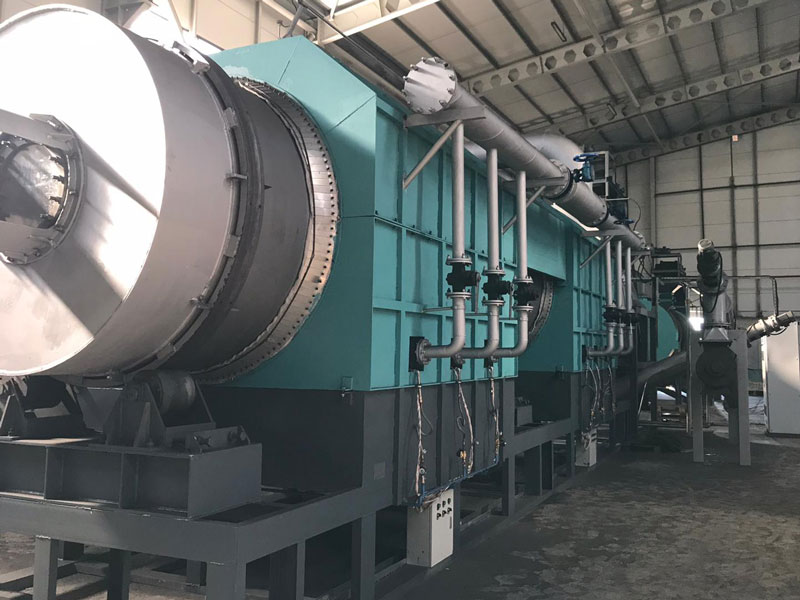
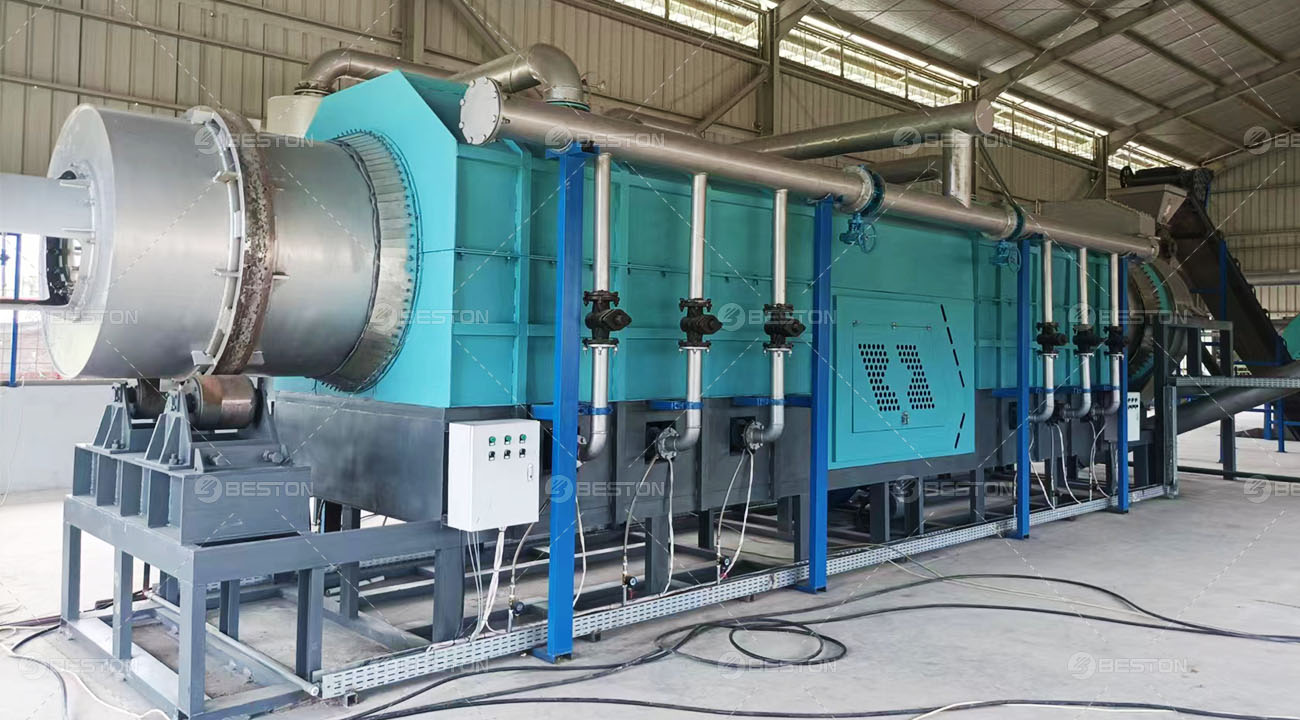
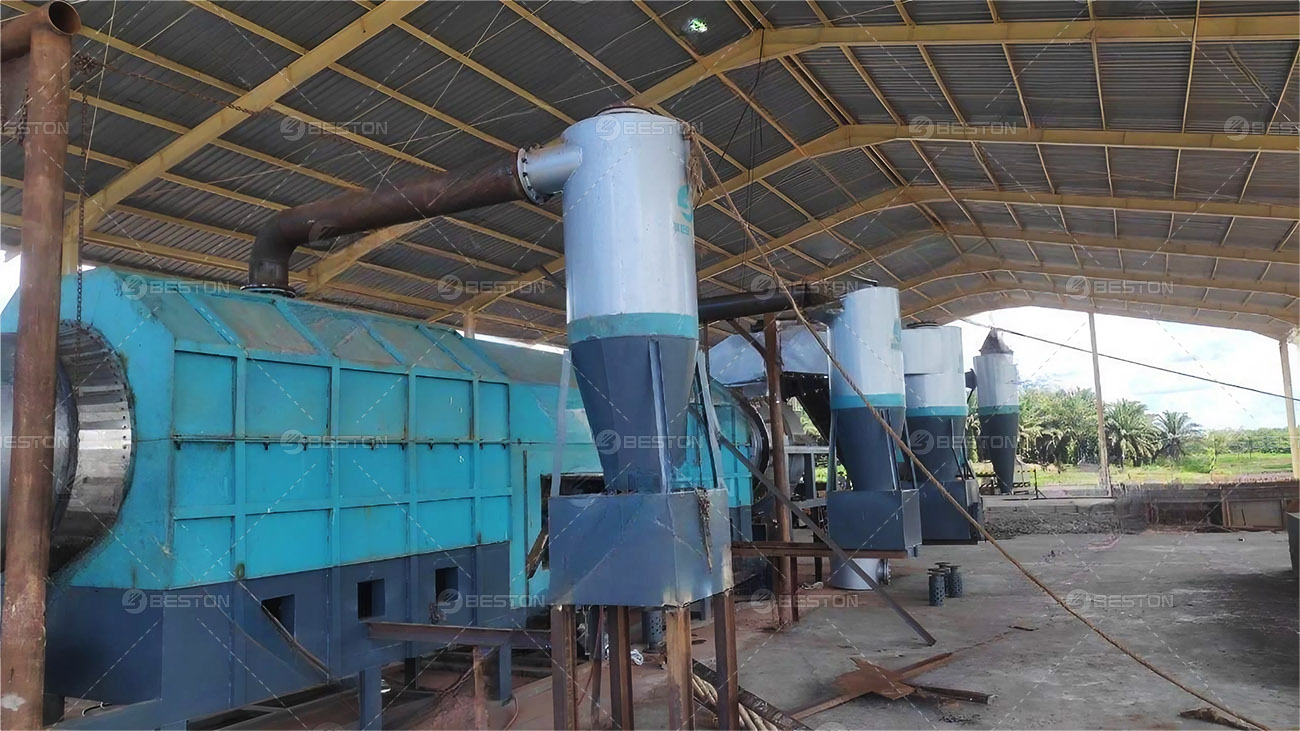
Upon processed by Beston sawdust charcoal machine, biochar is collected from the reactor vessel and undergoes cooling and conditioning to stabilize its properties.
Cooling systems, such as air or water-cooled conveyors, facilitate the handling and storage of biochar while preventing thermal degradation or spontaneous combustion.
Emissions Control:
To minimize environmental impact, pyrolysis systems incorporate emissions control technologies such as particulate filters, catalytic converters, and flue gas treatment systems.
These technologies mitigate the release of pollutants and greenhouse gases, ensuring compliance with regulatory standards and environmental regulations.
Advantages of Pyrolysis for Biochar Production:
Pyrolysis technology offers several distinct advantages for biochar production compared to alternative methods:
High Yield and Purity:
Pyrolysis enables the efficient conversion of biomass into biochar with high yields and purity, minimizing waste and maximizing resource utilization.
The controlled conditions of pyrolysis promote the formation of stable biochar with desirable properties for soil amendment and carbon sequestration.
Versatility and Flexibility:
Pyrolysis systems can process a wide range of biomass feedstocks, including agricultural residues, forestry waste, organic residues, and energy crops.
The flexibility of pyrolysis technology allows for customization of process parameters to optimize product quality and tailor biochar properties for specific applications.
Environmental Sustainability:
By converting biomass into biochar, pyrolysis contributes to carbon sequestration and mitigates greenhouse gas emissions, thus combating climate change.
Biochar produced through pyrolysis enhances soil fertility, improves water retention, and reduces nutrient leaching, promoting sustainable agriculture and ecosystem health.
Economic Viability:
Pyrolysis offers economic benefits through the generation of valuable byproducts such as bio-oil and syngas, which can be utilized for energy production or further processing.
The market demand for biochar and its diverse applications, coupled with the potential for carbon credits and incentives, enhances the economic viability of pyrolysis-based biochar production.
Case Studies and Real-World Applications:
To illustrate the practical application of pyrolysis technology for biochar production, let’s explore a few case studies and real-world examples:
Case Study 1: Large-Scale Pyrolysis Plant for Biomass Conversion:
Location: Agricultural region with abundant crop residues.
In conclusion, pyrolysis technology stands as a pioneering method for biochar production, offering unparalleled efficiency, versatility, and sustainability. By harnessing the transformative power of thermochemical decomposition, pyrolysis facilitates the conversion of biomass into valuable biochar while mitigating environmental impacts and promoting circular economy principles. As the demand for sustainable solutions to address global challenges continues to grow, pyrolysis technology holds immense promise as a cornerstone of the bio-based economy, driving innovation, resilience, and positive change for future generations.
Charcoal production from woody biomass has been a traditional practice with deep historical roots, dating back centuries. As an essential component in agriculture, charcoal plays a crucial role in enhancing soil fertility, improving water retention, and promoting overall crop productivity. In this comprehensive 3658-word post, we will delve into the intricacies of charcoal production from woody sources by charcoal production machine, its benefits for agriculture, and sustainable practices to ensure a harmonious balance between human needs and environmental conservation.
I. Introduction
A. Historical Perspective
The use of charcoal in agriculture traces back to ancient civilizations where farmers recognized its potential to enhance soil quality. In regions like the Amazon rainforest, indigenous communities employed charcoal as a soil amendment, a practice known as “terra preta,” creating fertile soils that sustained agriculture for centuries.
B. Charcoal Production Process
Charcoal, a carbon-rich material, is produced through the process of charcoal production. Pyrolysis involves heating woody biomass in the absence of oxygen, resulting in the decomposition of organic materials into carbon-rich charcoal. The production process varies in scale, from traditional kilns to modern, more efficient methods.
II. Benefits of Charcoal in Agriculture
A. Soil Fertility Enhancement
Nutrient Retention: Charcoal acts as a reservoir for essential nutrients, preventing leaching and ensuring a steady supply for plant uptake.
Microbial Activity: The porous structure of charcoal provides an ideal habitat for beneficial microorganisms, promoting a healthy soil microbiome.
B. Water Retention and Drainage
Water Absorption: Charcoal’s high porosity enhances water retention in the soil, reducing the need for frequent irrigation.
Climate Mitigation: Biochar maker for sale contributes to carbon sequestration by converting woody biomass into a stable form of carbon, mitigating the impact of greenhouse gas emissions.
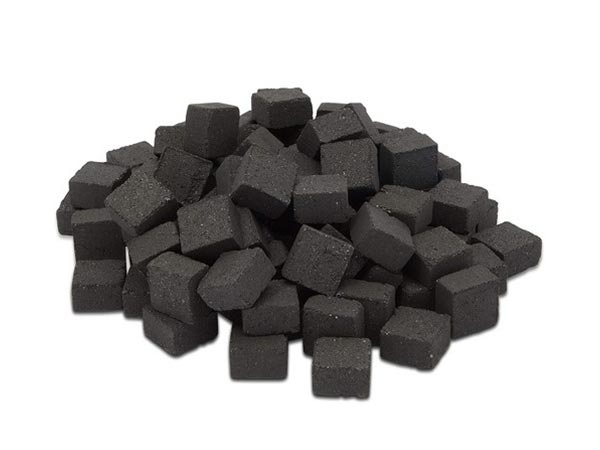
Square Hookah Charcoal
III. Types of Woody Biomass for Charcoal Production
A. Hardwoods vs. Softwoods
Density and Carbon Content: Hardwoods, with higher density and carbon content, are often preferred for charcoal production due to their ability to yield more substantial quantities.
Sustainable Harvesting: Emphasizing the importance of sustainable harvesting practices to maintain the ecological balance.
B. Agricultural Residues
Crop Residues: Utilizing agricultural residues, such as crop prunings and residues, as a sustainable source for charcoal production.
Waste-to-Wealth: Transforming agricultural waste into a valuable resource through responsible charcoal production.
IV. Traditional vs. Modern Charcoal Production Methods
A. Traditional Kilns
Mound Kilns: Examining the traditional mound kilns and their impact on air quality and efficiency.
Challenges: Addressing the environmental and health challenges associated with traditional charcoal production methods.
B. Improved and Efficient Techniques
Retort Kilns: Exploring retort kilns as a more efficient and environmentally friendly alternative.
Technological Advancements: Incorporating modern technologies for cleaner and more sustainable charcoal production.
V. Challenges and Solutions
A. Deforestation Concerns
Sustainable Management: Highlighting the importance of sustainable forest management to prevent deforestation.
Afforestation Initiatives: Supporting afforestation projects as a countermeasure to the environmental impact of charcoal production.
B. Air Quality and Health Risks
Emission Reduction: Implementing measures to reduce emissions during the charcoal production process.
Health and Safety Regulations: Advocating for and implementing health and safety regulations for charcoal producers.
VI. Case Studies
A. Terra Preta in the Amazon
Historical Significance: Examining the role of terra preta in sustaining agriculture in the Amazon rainforest.
Modern Applications: Adapting traditional practices to contemporary agriculture for sustainable development.
B. Sustainable Charcoal Initiatives
Community-Based Projects: Showcasing successful community-based charcoal production projects that prioritize environmental and social sustainability.
Economic Empowerment: Discussing how sustainable charcoal initiatives can contribute to local economic development. If you wanna get this opportunity, see how to make coconut charcoal.
VII. Conclusion
In conclusion, charcoal production from woody biomass holds immense potential for sustainable agriculture. When approached responsibly, charcoal can be a catalyst for soil fertility, water management, and carbon sequestration. By embracing modern, efficient production methods and promoting sustainable practices, we can strike a balance between meeting agricultural needs and preserving our ecosystems for future generations. As we continue to explore innovative solutions, charcoal remains a valuable ally in cultivating a greener, more resilient agricultural landscape.
In the realm of sustainable energy production, the advent of biomass pyrolysis has emerged as a promising avenue, offering a potential solution to mitigate the environmental toll exacted by traditional energy sources. This innovative process involves the thermal decomposition of organic materials, yielding biochar, bio-oil, and syngas. While it holds the promise of a renewable energy future, the biomass pyrolysis plant is not devoid of environmental intricacies.
Genesis of Biomass Pyrolysis
To comprehend the environmental dynamics at play, it is imperative to delve into the genesis of biomass pyrolysis plant. Unlike conventional energy extraction methods, this technique harnesses the transformative power of heat in the absence of oxygen. The thermal breakdown of biomass results in a trifecta of valuable byproducts, each possessing unique applications in the renewable energy landscape.
Biochar: A Carbon Sink or Source?
One key output of biomass pyrolysis is biochar – a carbon-rich material touted for its potential to sequester carbon dioxide from the atmosphere. In theory, this could act as a formidable tool in the fight against climate change. However, the intricacies lie in the long-term carbon dynamics of biochar. Does it serve as a steadfast carbon sink, or does it eventually revert to being a carbon source?
Research suggests that the fate of biochar hinges on various factors, including soil type, climate, and the type of biomass utilized. While it holds promise as a carbon sequestration method, a comprehensive understanding of its behavior across diverse environments remains imperative.
Bio-oil and Syngas: The Versatile Twins
Simultaneously, biomass pyrolysis begets bio-oil and syngas, both heralded for their versatility. Bio-oil, a liquid substance derived from the process, finds applications in bioenergy, potentially replacing fossil fuels. However, the challenge lies in refining the production process to enhance the yield of high-quality bio-oil while minimizing undesired byproducts.
Syngas, a gaseous amalgamation of carbon monoxide and hydrogen, serves as a precursor for biofuels and various industrial processes. Yet, the synthesis of syngas in a biomass carbonization machine demands a meticulous optimization of operating conditions to achieve maximal efficiency.
Environmental Footprint of Biomass Pyrolysis Plant
Carbon Neutrality and Beyond
Advocates of biomass pyrolysis emphasize its potential to achieve carbon neutrality, positing that the carbon released during combustion is offset by the carbon sequestered during biomass growth. However, skeptics raise concerns about the holistic environmental impact, pointing to emissions associated with the entire biomass charcoal machine life cycle.
Life cycle assessments (LCAs) become instrumental in gauging the environmental footprint. These assessments, though, necessitate a meticulous consideration of various parameters, including feedstock type, transportation, and operational energy inputs. Striking a delicate balance is essential to ensure that the touted carbon neutrality remains substantiated across the entire life cycle.
Air Quality and Emissions
While biomass pyrolysis holds promise in mitigating greenhouse gas emissions, the process is not devoid of emissions. Particulate matter, nitrogen oxides, and volatile organic compounds emerge as potential byproducts, raising concerns about air quality. Scrutiny of emission control technologies within a biomass pyrolysis plant becomes imperative to uphold the environmental integrity of the process.
Regulatory Landscape and Technological Advancements
The environmental impact of biomass pyrolysis is intrinsically tied to the regulatory frameworks governing its implementation. Robust regulations are crucial to ensure adherence to emission standards, proper waste disposal, and sustainable sourcing of biomass feedstock. A harmonious blend of stringent regulations and technological innovations can pave the way for the widespread adoption of this eco-friendly energy production paradigm.
Striking a Delicate Balance
In the quest for a greener planet, the importance of biomass pyrolysis as a renewable energy source cannot be overstated. However, it is paramount to approach this innovation with a discerning eye, acknowledging its potential while meticulously addressing the environmental nuances. The biomass pyrolysis plant must be a bastion of technological prowess, employing cutting-edge advancements to optimize efficiency, reduce emissions, and minimize its ecological footprint.
Conclusion: Navigating the Environmental Maze
The environmental impact of biomass pyrolysis is undeniably a complex tapestry, woven with threads of promise and intricacy. As the world grapples with the imperative shift towards sustainable energy, the biomass pyrolysis plant stands as a beacon of hope. However, the journey toward a greener planet demands an unwavering commitment to environmental stewardship – a commitment that necessitates continual scrutiny, regulatory diligence, and technological innovation. Only through such a meticulous balancing act can biomass pyrolysis emerge as a transformative force, steering us towards a future where energy production harmonizes with ecological preservation. Find out more about what we do by visiting our website, Beston Group.
In the realm of sustainable practices, the metamorphosis of coconut processing plants is taking center stage through innovative initiatives in coconut shell recycling. This article explores the profound impact of integrating advanced technologies like the coconut shell charcoal making machine in driving sustainable transformations, fostering biochar production, and embracing the principles of sustainable development and a circular economy.
Coconut processing plants, often grappling with the disposal challenge of coconut shells, are now at the forefront of a waste-to-wealth revolution. The once-overlooked shells are becoming catalysts for change, steering coconut processing towards a sustainable trajectory.
The Ingenuity of Coconut Shell Charcoal Making Machine
Enter the scene: the coconut shell charcoal making machine. This technological marvel orchestrates a process where coconut shells undergo pyrolysis, transforming them into valuable biochar. The closed-loop nature of this process ensures minimal waste, aligning seamlessly with the ethos of circular economy principles.
Biochar: A Catalyst for Sustainable Development
Biochar’s Multifaceted Prowess
Biochar, the end product of biomass pyrolysis plant, emerges as a versatile agent of change. Beyond its application as a soil conditioner, biochar becomes a cornerstone in sustainable agriculture. Its porous structure enhances soil fertility, water retention, and nutrient cycling.
Carbon Sequestration in Agriculture
In the intricate dance between coconut shells and biochar, a symphony of carbon sequestration unfolds. The stable carbon structure of biochar not only mitigates carbon dioxide emissions but also enriches the soil with carbon, contributing to long-term carbon sequestration in agricultural landscapes.
Sustainable Development Goals: A Coconut-Driven Odyssey
Harmonizing with Sustainable Development Goals
The integration of coconut shell recycling aligns harmoniously with global sustainability agendas. From poverty alleviation to climate action, the ripple effects of sustainable coconut processing resonate with the United Nations’ Sustainable Development Goals, offering a tangible pathway for positive change. Beston Group has always aimed to provide solutions for the sustainable transformation of various industries.
Empowering Local Economies
As coconut processing plants embrace sustainable practices, they become catalysts for local economic empowerment. The utilization of coconut shells not only enhances the economic viability of coconut industries but also fosters community resilience through job creation and resource optimization.
Closing the Loop: Circular Economy in Action
From Waste Stream to Resource Stream
The closed-loop dynamics of coconut shell recycling epitomize the essence of circular economy principles. What was once a waste stream in coconut processing plants becomes a resource stream, contributing to a self-sustaining cycle of waste conversion and resource regeneration.
Reducing Environmental Footprints
In a world increasingly conscious of environmental footprints, coconut processing plants adopting coconut shell charcoal making machines showcase a commitment to sustainable practices. The closed-loop approach minimizes the environmental impact, paving the way for a more ecologically balanced coconut industry.
Future Trajectories: Navigating Towards Sustainability
Technological Innovations and Beyond
As technological innovations continue to enhance the efficiency of charcoal machine, the future holds promises of even more sustainable coconut processing. Advances in automation, energy efficiency, and byproduct utilization will further propel coconut industries towards a greener horizon.
Global Collaborations for Sustainable Coconut Industries
The potential for sustainable coconut industries extends beyond geographical boundaries. Global collaborations and knowledge exchange can amplify the impact of coconut shell recycling, fostering a shared commitment to sustainable development and circular economy principles.
Conclusion: The Coconut’s Resilient Journey
In conclusion, the resilient journey of coconut shells from overlooked waste to valuable resource exemplifies the transformative power of sustainable practices in coconut processing plants. The integration of coconut shell charcoal making machines, the production of biochar, and the embrace of circular economy principles collectively contribute to a paradigm shift. As coconut industries navigate towards sustainability, the coconut, once a symbol of tropical indulgence, becomes a beacon of ecological responsibility, encapsulating the essence of circularity, resilience, and positive change.
Sustainable agriculture is gaining traction as a crucial approach to ensure food security and environmental conservation. In this context, palm kernel shell charcoal machines have emerged as valuable tools in promoting sustainable practices within the agricultural sector. These machines enable the conversion of palm kernel shells, an abundant agricultural waste product, into high-quality charcoal, offering several benefits to farmers and the environment. Let’s explore the significant role of palm kernel shell charcoal machine in sustainable agriculture.
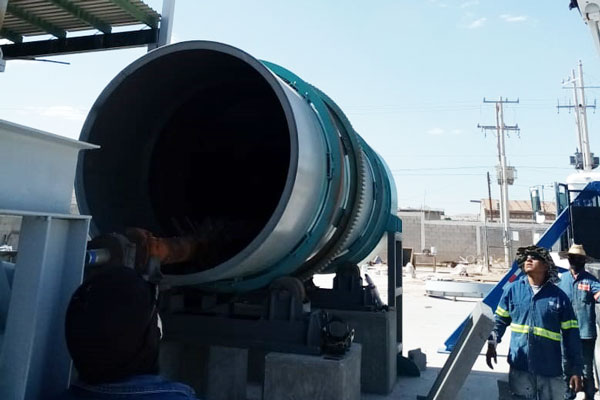
Beston Palm Kernel Shell Carbonization Equipment Installed in Mexico
Waste Utilization: Palm kernel shells are a byproduct of the palm oil industry, often treated as waste and discarded in large quantities. By utilizing palm kernel shell charcoal machines, farmers can effectively transform this waste into a valuable resource. The machines employ pyrolysis technology, which involves heating the shells in the absence of oxygen, resulting in the production of charcoal. This waste utilization approach minimizes the environmental impact of palm kernel shell disposal and contributes to sustainable waste management practices.
Soil Improvement: Palm kernel shell charcoal, commonly known as biochar, offers significant benefits in enhancing soil fertility and structure. When incorporated into the soil, biochar acts as a carbon-rich amendment, promoting microbial activity and nutrient retention. It improves soil moisture retention, reduces nutrient leaching, and enhances the overall nutrient availability for plants. By using palm kernel shell charcoal as a soil amendment, farmers can improve crop productivity, reduce fertilizer requirements, and minimize soil degradation, thereby supporting long-term sustainable agriculture. Use the biomass carbonization plant to make palm kernel shell charcoal for a sustainable development.
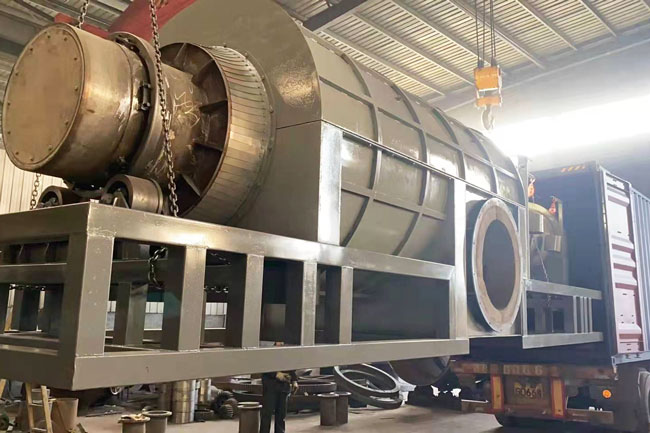
Beston Palm Kernel Shell Pyrolysis Machine Shippd to Venezuela
Carbon Sequestration: Palm kernel shell charcoal is recognized for its ability to sequester carbon. During the pyrolysis process, carbon dioxide that would otherwise be released into the atmosphere is captured within the biochar. Incorporating biochar into agricultural soils helps to lock carbon in a stable form, reducing greenhouse gas emissions and mitigating climate change impacts. By utilizing palm kernel shell charcoal machines, farmers can actively contribute to carbon sequestration efforts and combat climate change.
Renewable Energy: In addition to producing biochar, palm kernel shell charcoal machines can generate renewable energy in the form of combustible gas. The gas produced during the pyrolysis process can be utilized as a clean energy source for heating the machines themselves, reducing the reliance on external energy inputs. This renewable energy aspect adds another dimension of sustainability to the palm kernel shell charcoal production process, promoting self-sufficiency and energy efficiency on the farm. This type of machine also can process other materials: https://www.bestongroup.com/bamboo-charcoal-machine/.
Economic Opportunities: The utilization of palm kernel shell charcoal machines not only brings environmental benefits but also creates economic opportunities for farmers and entrepreneurs. By converting palm kernel shells into charcoal, farmers can generate an additional income stream from a previously discarded waste product. The produced charcoal can be sold as a value-added product, used for cooking fuel, or as a raw material in various industries. This economic aspect contributes to the viability and long-term sustainability of agricultural practices.
In conclusion, palm kernel shell charcoal machines play a significant role in sustainable agriculture. They enable the utilization of palm kernel shells, promote waste reduction, improve soil fertility, sequester carbon, and provide renewable energy options. By incorporating these machines into agricultural practices, farmers can contribute to a circular economy, optimize resource utilization, and enhance the overall sustainability of their operations. Embracing palm kernel shell charcoal machines is a step towards more environmentally friendly and economically viable agricultural systems that prioritize both productivity and conservation. Contact Beston Group for a solution: https://www.bestongroup.com/th/.