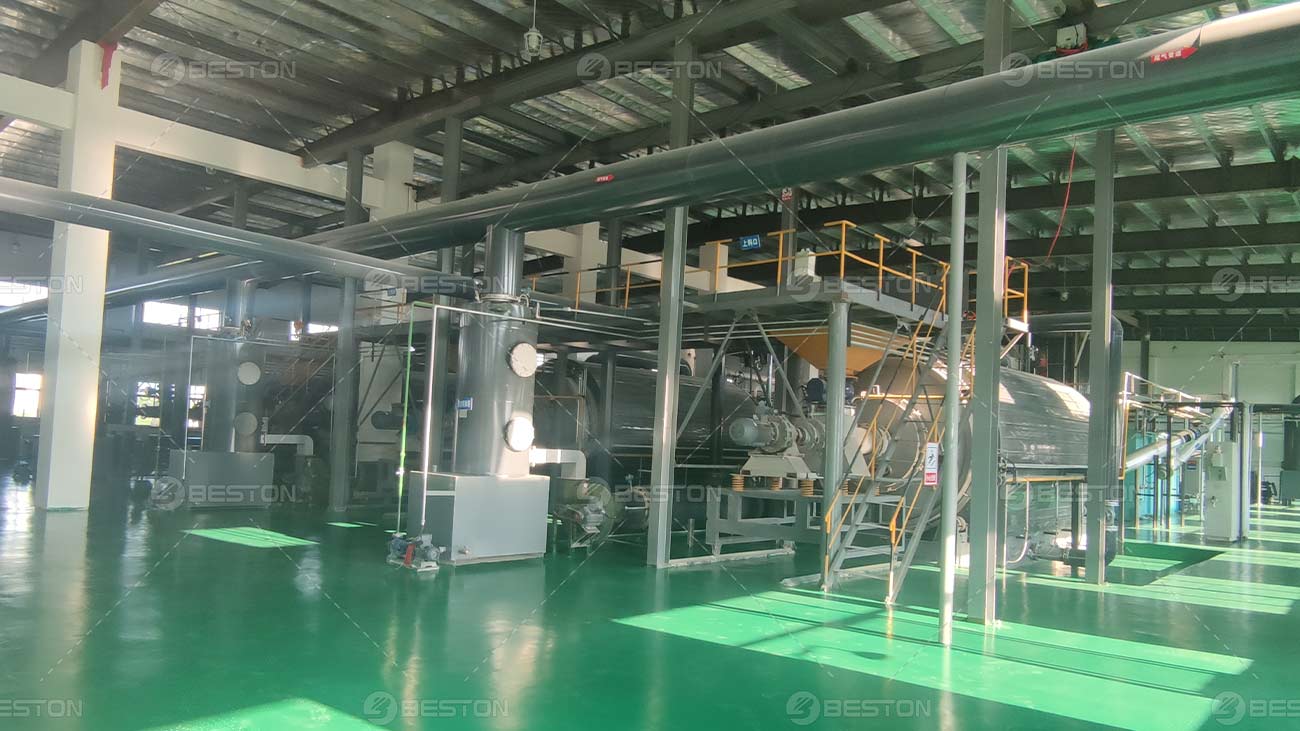
A pyrolysis plant represents a significant breakthrough in the renewable energy sector, transforming discarded materials into valuable energy sources. By utilizing advanced thermal decomposition mechanisms, the system enables a cleaner, more sustainable method for converting waste into usable fuels while reducing environmental burdens.
Advancing Renewable Resource Recovery
Modern energy infrastructure increasingly depends on systems capable of handling heterogeneous waste streams. A pyrolysis unit converts biomass, plastics, and end-of-life tires into energy-rich outputs such as pyrolysis oil, syngas, and solid carbon residue. Through oxygen-free thermal cracking, long-chain polymers are decomposed into viable energy products without combustion. This allows minimal emissions and stronger alignment with carbon neutrality objectives.
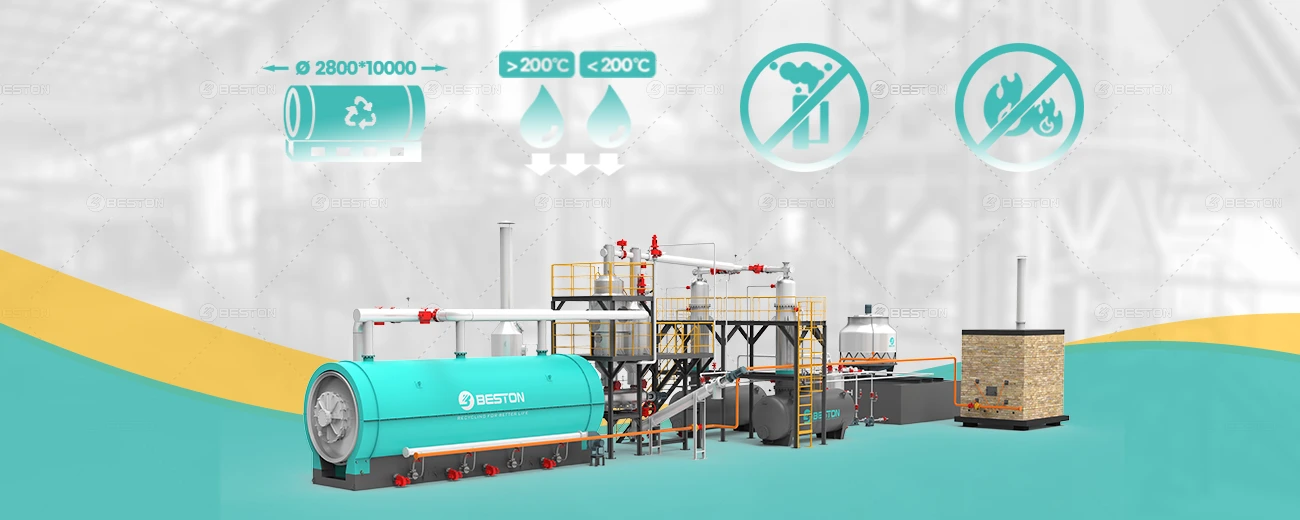
Plastic Waste to Energy Conversion
Escalating volumes of plastic waste have led to growing adoption of plastic to oil machine technology. Using controlled pyrolysis, waste polymers are transformed into liquid fuel, which can be refined further for industrial or transportation use. This not only decreases dependence on conventional fossil fuels but also mitigates landfill accumulation. The process also supports extended resource utilization, enabling a circular economy model through energy valorization.

Application in Tyre Recycling and Carbon Capture
End-of-life rubber becomes a potent feedstock when processed in a fully continuous tyre pyrolysis plant. The system ensures uninterrupted operation, high automation, and optimized heat recovery efficiency. Resultant pyrolysis oil and carbon black have commercial applications in fuel production and manufacturing sectors. Meanwhile, recovered steel wire becomes an additional byproduct, contributing to the full valorization of waste tyres.
Environmental Compliance and Emission Reduction
Thermal desorption equipment incorporated in advanced pyrolysis systems enables efficient treatment of contaminated solids such as oil sludge, drilling waste, and industrial residues. Instead of conventional incineration or landfilling, thermal desorption removes hydrocarbons through vaporization, minimizing soil pollution. The recovered oil can then be reprocessed as an energy source, reinforcing ecological responsibility while offering economic gain.
Sustainable Energy Pathways
Pyrolytic processes outperform traditional waste disposal methods by generating renewable energy with reduced emissions. Syngas from pyrolysis can be used to power the reactor itself, achieving partial or full energy self-sufficiency. This energy-efficient mechanism lowers operational costs and elevates sustainability metrics, strengthening the role of pyrolysis technology in modern energy systems.
Economic and Strategic Value
The growing demand for decentralized energy production makes pyrolysis plants a viable strategic investment. They enhance regional energy security, encourage local resource utilization, and support low-carbon development initiatives. By integrating smart monitoring and modular design, pyrolysis systems can be scaled for industrial, municipal, or regional applications, offering both environmental and commercial value.
Pyrolysis strengthens the transition to renewable energy by transforming waste into fuel, capturing carbon-based resources, and promoting sustainable industrial development.